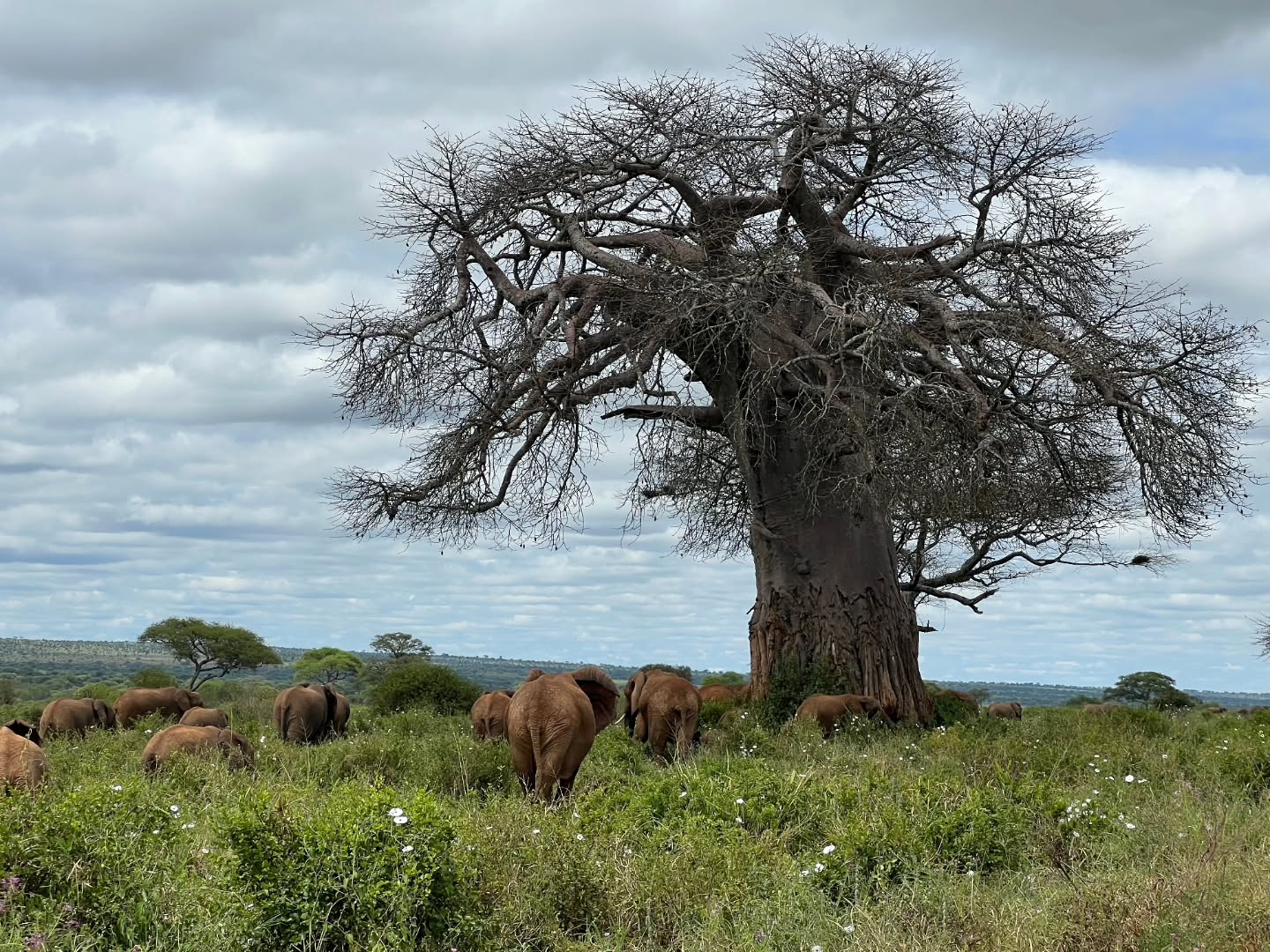
Facts about Baobab Trees in Tarangire National Park.
Fascinating Facts About Baobab Trees in Tarangire National Park.
Tarangire National Park, located in northern Tanzania, is a must-visit destination for wildlife enthusiasts and nature lovers. Known as the “Baobab Capital” of Tanzania, the park is home to the iconic baobab trees (Adansonia digitata), often called the “Tree of Life.” These majestic giants, with their unique upside-down appearance, are a highlight of any safari with Keystone Tours & Safaris. In this article, we explore fascinating facts about baobab trees in Tarangire, their ecological and cultural significance, and why they make your safari experience unforgettable.
1. Ancient Giants of the Savannah
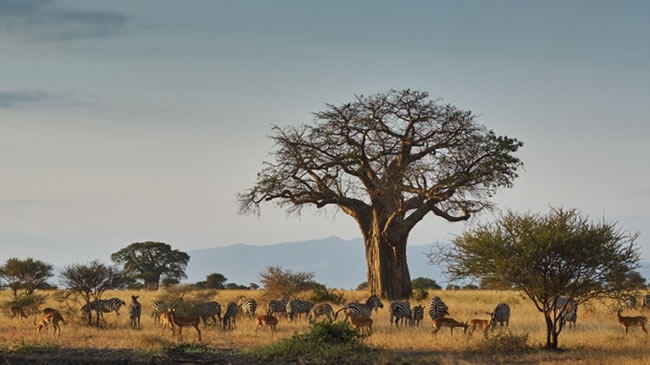
Baobab trees are among the oldest living organisms on Earth, with some in Tarangire estimated to be over 1,000 years old. While the oldest recorded baobab, found in South Africa, reached a staggering 6,000 years, those in Tarangire are living relics of history. Their massive trunks, which can grow up to 11 meters in diameter and 30 meters in height, create a dramatic silhouette against the golden savannah, making them a photographer’s dream during your tours and safari adventure.

2. The “Tree of Life” Nickname
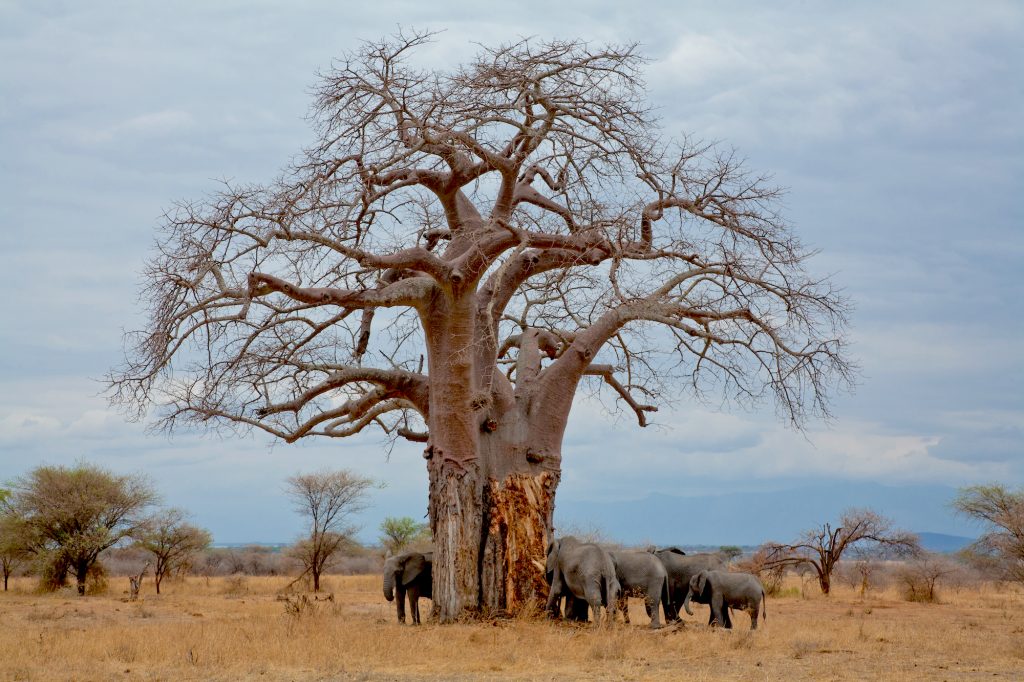
The baobab’s nickname, “Tree of Life,” is well-earned. Its hollow trunks can store up to 120,000 liters of water, serving as a vital resource for wildlife during Tarangire’s dry season. Elephants, in particular, strip the bark to access this moisture, while birds, bats, and small mammals find shelter in the hollows. The tree’s fruit, rich in vitamin C, is a favorite of monkeys and baboons, and its leaves are used by local communities for medicinal purposes. This incredible adaptability makes baobabs a cornerstone of Tarangire’s ecosystem, which you’ll witness firsthand on a Keystone Tours & Safaris game drive.

3. A Symbiotic Relationship with Wildlife
Baobabs play a critical role in Tarangire’s biodiversity. Elephants rely on them for hydration, creating hollows that become homes for birds like hornbills and weaver birds. At night, the trees’ large, white flowers bloom, attracting bats that pollinate them while feeding on nectar. These interactions create a vibrant ecosystem, which Keystone Tours & Safaris highlights during guided nature walks and night game drives. You’ll see how baobabs support everything from insects to elephants, making them a focal point of the park’s wildlife spectacle.
4. Cultural and Spiritual Significance
Baobabs are deeply woven into the cultural fabric of Tanzania. Known as “Kuka” (grandparent) by locals, they symbolize strength and resilience. Folklore often describes baobabs as being planted upside down by the gods, explaining their root-like branches. For the Maasai and other communities near Tarangire, the trees are sacred, used in traditional medicine and as gathering places for resolving disputes. On a Keystone Tours & Safaris cultural tour, you can visit nearby villages to learn about these stories and the baobab’s enduring legacy.
5. A Seasonal Transformation
Baobabs are deciduous, shedding their leaves during the dry season to conserve water, giving them a stark, skeletal appearance that adds to their mystique. In the rainy season, they burst into life with lush green leaves and large, white flowers that bloom at night. The fruit that follows is a nutritional powerhouse for both wildlife and humans. Keystone Tours & Safaris recommends visiting during the wet season (November to March) for birdwatching, as the baobabs attract a variety of species, including eagles and yellow-collared lovebirds.
6. Conservation Challenges
Despite their resilience, baobabs face threats from climate change, prolonged droughts, and human activities like deforestation. In Tarangire, conservation efforts supported by Keystone Tours & Safaris focus on protecting these ancient trees through community education and sustainable tourism. By choosing a responsible safari operator like Keystone, you contribute to preserving Tarangire’s baobabs for future generations. Responsible tourism ensures these giants continue to thrive, as you’ll learn during your safari’s conservation-focused activities.
7. A Must-See on Your Tarangire Safari
Tarangire National Park, just a three-hour drive from Arusha, is a highlight of Tanzania’s Northern Safari Circuit. The baobab trees, scattered across the savannah plains and along the Tarangire River, create a surreal backdrop for your Keystone Tours & Safaris experience. Whether you’re on a morning game drive spotting elephants grazing beneath these giants or a nature walk exploring their ecological role, the baobabs are an unmissable part of the park’s charm.
Conclusion:
Plan Your Baobab Adventure with Keystone Tours & Safaris
The baobab trees of Tarangire National Park are more than just natural wonders. They’re symbols of life, resilience, and harmony in one of Africa’s most biodiverse landscapes. With Keystone Tours & Safaris, you can explore these ancient giants through tailored game drives, nature walks, and cultural encounters. Contact Keystone Tours & Safaris today to plan your unforgettable safari and witness the magic of Tarangire’s baobabs up close.
Book your Tarangire adventure now and discover why the baobab is truly the “Tree of Life”!