Why Should You Discover Zanzibar on Your Tanzanian Adventure?
Discover Zanzibar: A Cultural and Tropical Paradise.
Zanzibar, the jewel of Tanzania’s coastline, is a mesmerizing archipelago that blends rich cultural heritage, stunning natural beauty, and vibrant traditions. Known as the Spice Island, it captivates visitors with its historic Stone Town, pristine beaches, and Swahili charm.
This blog post shows Zanzibar’s allure, optimized for searches like “Zanzibar cultural experiences,” “best things to do in Zanzibar,” and “Zanzibar adventure tours.” From dolphin watching to spice tours. Zanzibar offers a wealth of unforgettable activities. For an ethical and immersive journey, Keystone Tours & Safaris curates tailored itineraries that highlight the island’s magic while supporting local communities.

Zanzibar, A Tapestry of Culture and Natural Splendor.
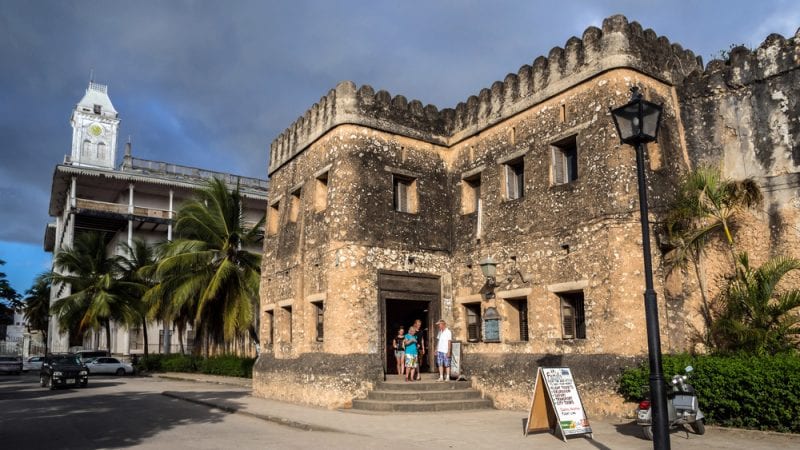
Zanzibar is a cultural crossroads where African, Arab, Indian, and European influences converge, shaped by centuries of spice trade along the Indian Ocean. Stone Town, a UNESCO World Heritage Site, is the heart of this legacy, with its labyrinthine alleys, coral stone architecture, and bustling markets. The island’s Swahili culture shines through in its taarab music, aromatic cuisine, and warm hospitality. Beyond Stone Town, Zanzibar’s turquoise waters, coral reefs, and spice plantations offer endless adventures. Whether you’re strolling through historic sites, snorkeling in vibrant reefs, or savoring clove-infused dishes, Zanzibar is a destination that engages all senses.
The archipelago includes Unguja (the main island, often called Zanzibar), Pemba, and smaller islets, each offering unique experiences. From diving with dolphins to sailing on traditional dhows, Zanzibar combines relaxation with exploration, making it a must-visit for cultural enthusiasts and beach lovers alike.

What Makes Zanzibar So Unforgettable?
Zanzibar’s magic lies in its ability to blend cultural depth with natural beauty, creating experiences that linger long after your visit. Here are the key elements that make it unforgettable:
- Rich Cultural Heritage: Stone Town is a living museum, with landmarks like the House of Wonders, Old Fort, and Darajani Market showcasing Zanzibar’s trade history. Taarab music performances, blending African and Arab melodies, fill the air at cultural venues, while Swahili traditions thrive in daily life.
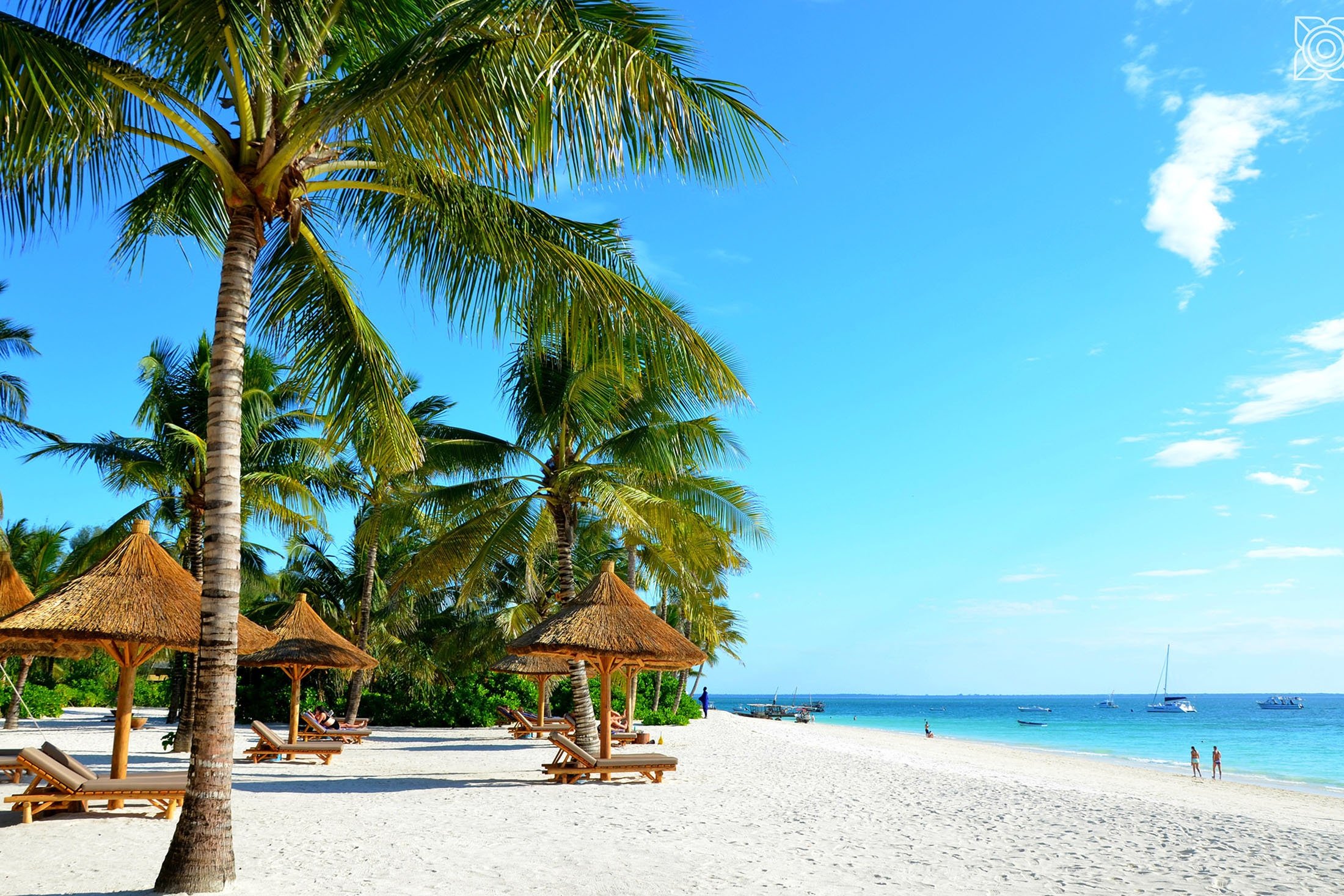
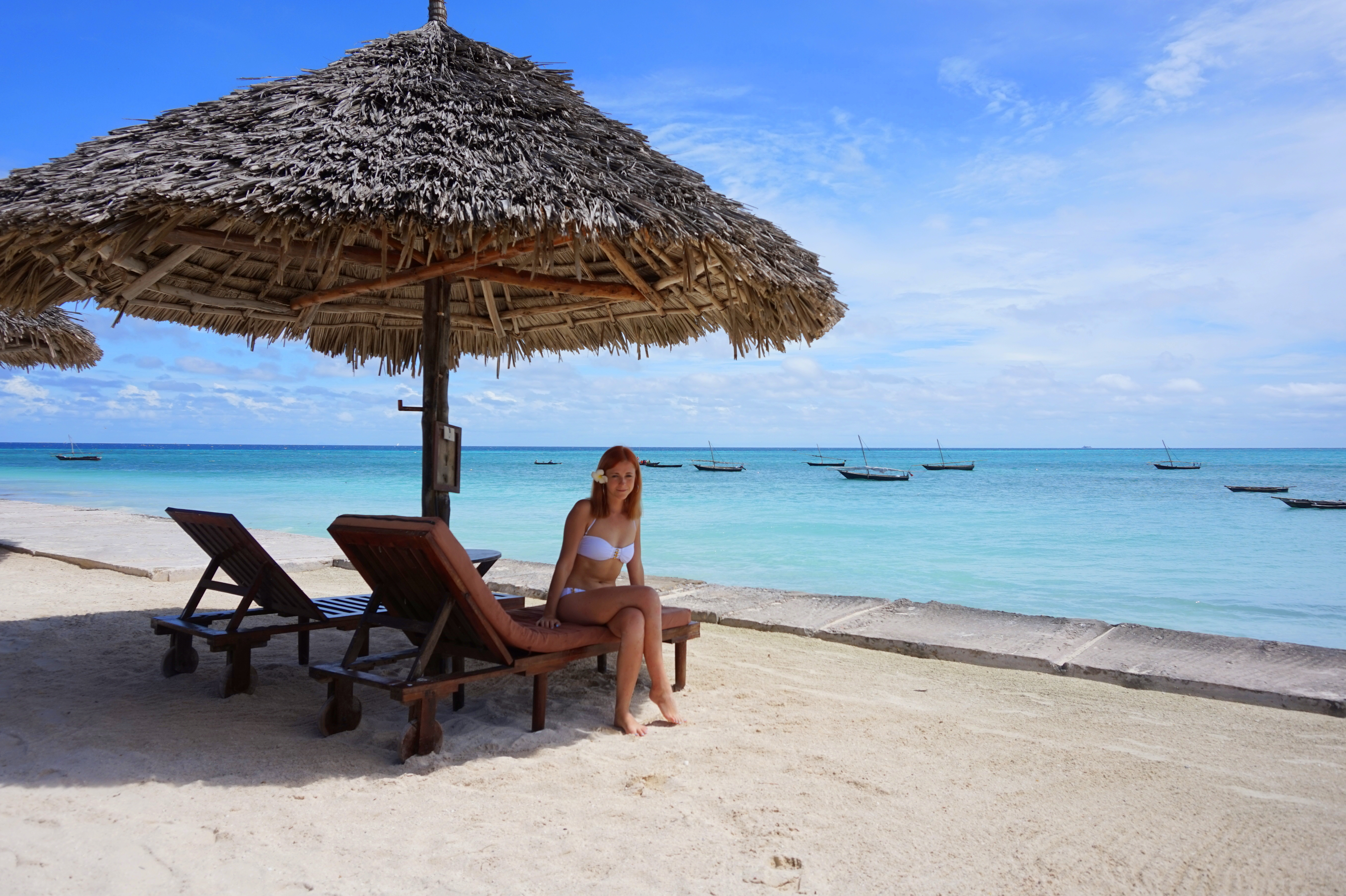
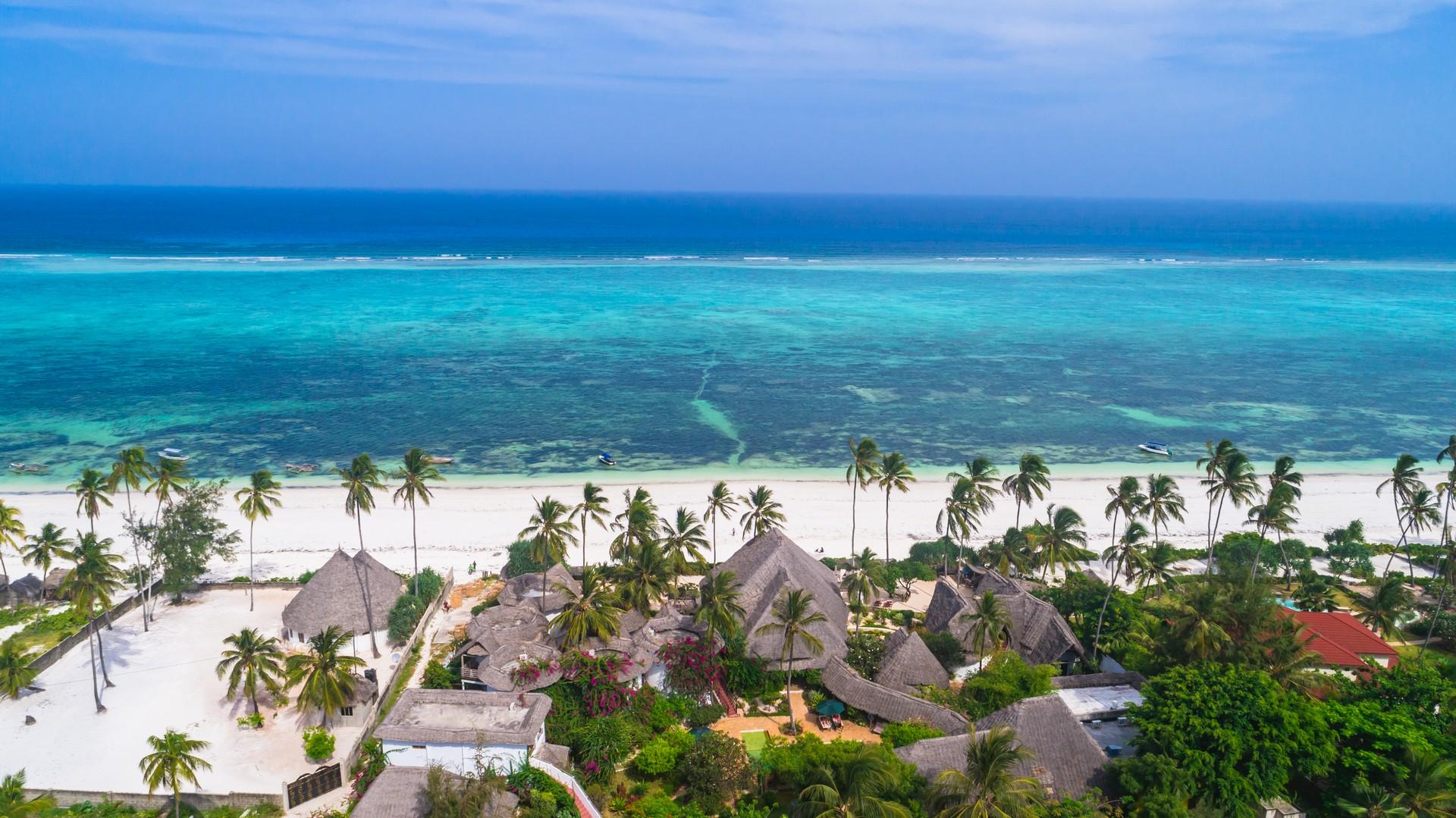
- World-Class Beaches: Zanzibar’s beaches, such as Nungwi, Kendwa, and Paje, are postcard-perfect, with powdery white sand and crystal-clear waters. Nungwi is ideal for swimming, Kendwa for sunset vibes, and Paje for kite-surfing adventures.
- Spice Tours: Zanzibar’s nickname, “Spice Island,” comes alive on guided spice tours. Visit plantations to see cloves, nutmeg, cinnamon, and vanilla growing, and learn how these spices shaped global trade. Hands-on tours often include tasting sessions and cooking demonstrations.

- Marine Adventures: Watching dolphins in Kizimkazi’s waters is a highlight, with ethical tours ensuring minimal disturbance to these playful creatures. Snorkeling and diving at Mnemba Atoll reveal vibrant coral reefs teeming with tropical fish.

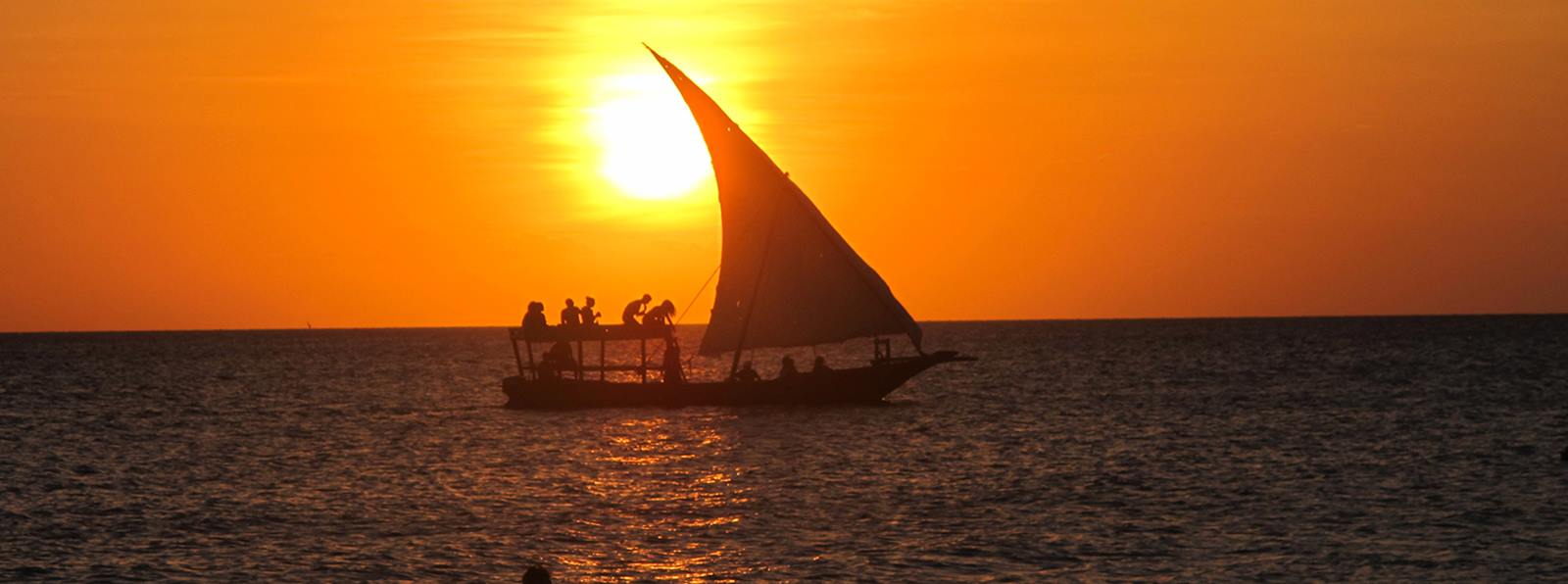
- Dhow Sunset Cruises: Traditional wooden dhow boats offer serene sunset cruises along Zanzibar’s coast. Sip cocktails, enjoy coastal breezes, and watch the horizon glow, often accompanied by live music or storytelling.
Zanzibar Forest
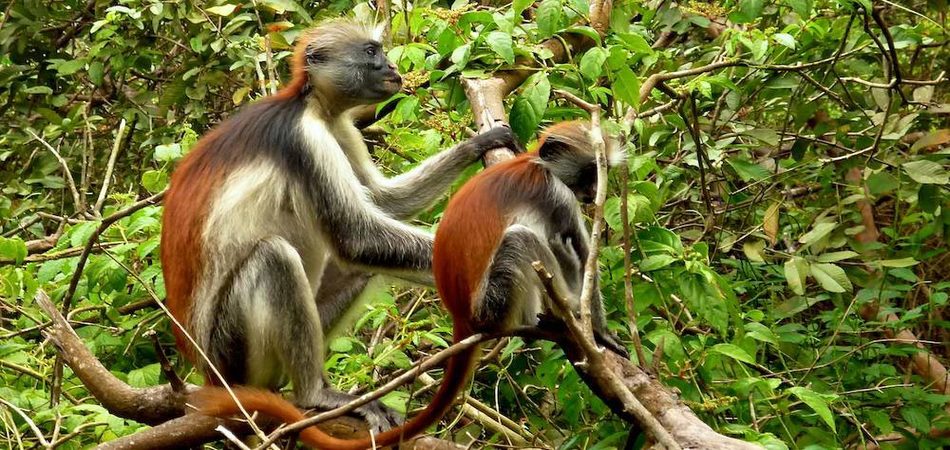
- Jozani Forest: The Jozani-Chwaka Bay National Park is home to the endemic red colobus monkey, found nowhere else on Earth. Guided forest walks reveal rare wildlife, mangroves, and biodiversity, offering a glimpse into Zanzibar’s ecological treasures.
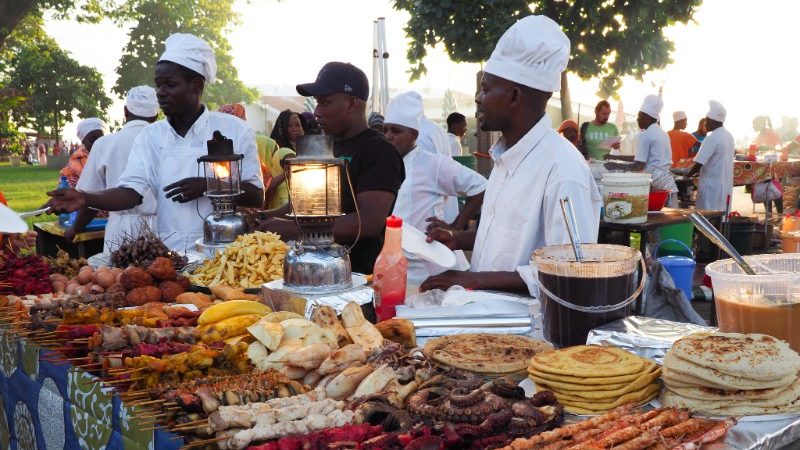
- Culinary Delights: Zanzibari cuisine is a fusion of flavors, from seafood curries to urojo (spiced soup) and Zanzibar pizza. Forodhani Gardens’ night market is a foodie haven, where you can sample grilled octopus, falafel, and sugarcane juice.
- Vibrant Festivals: Events like the Zanzibar International Film Festival (ZIFF) and Sauti za Busara music festival draw global crowds, celebrating Swahili culture through film, music, and dance.

These diverse attractions make Zanzibar a destination that appeals to history buffs, adventure seekers, and those craving relaxation.
Where Can You Stay in Zanzibar?
Zanzibar’s accommodations cater to all budgets and preferences, with options that enhance your cultural and coastal experience:
- Stone Town: Stay in historic boutique hotels like Emerson on Hurumzi, with its rooftop tea house, or Tembo House, blending Swahili and colonial decor. Budget travelers can choose hostels like Lost & Found Zanzibar for affordability and charm.
- Nungwi and Kendwa: Luxury resorts like Essque Zalu Zanzibar offer beachfront elegance, while mid-range options like Warere Beach Hotel provide comfort near vibrant nightlife. Backpacker-friendly lodges are also plentiful.
- Paje and Jambiani: Eco-conscious stays like Zanzibar White Sand Luxury Villas focus on sustainability, while budget bungalows like Demani Lodge offer a laid-back vibe perfect for kite-surfers and beachcombers.
- Michamvi and Bwejuu: Exclusive retreats like Baraza Resort & Spa provide secluded luxury, ideal for honeymoons or quiet escapes. Smaller guesthouses offer personalized experiences with ocean views.
Keystone Tours & Safaris partners with eco-friendly and locally owned accommodations. Ensuring your stay supports Zanzibar’s communities and aligns with sustainable tourism practices.
Weather & Climate in Zanzibar
Zanzibar’s tropical climate is warm year-round, with temperatures between 25°C and 33°C (77°F to 91°F). The island experiences distinct seasons:
- Long Rains (March-May): Heavy rainfall, particularly in April, can limit outdoor activities like beach trips or diving. However, lush greenery and lower prices attract budget travelers.
- Short Rains (November-Mid-December): Brief, manageable showers, often in the afternoon, allow for most activities with fewer crowds.
- Dry Seasons (June-October, January-February): Sunny and warm, with low humidity and clear skies, these periods are ideal for beach outings, snorkeling, and cultural tours. Coastal breezes keep conditions pleasant.
Always pack sunscreen, light clothing, and a rain jacket for unexpected showers. Check local forecasts, as climate patterns can shift slightly.
The Best Time to Visit Zanzibar
The optimal times to visit Zanzibar are the dry seasons: June to October and January to February. June to October, the cooler dry season, is perfect for beach activities, diving, spice tours, and exploring Stone Town. It’s peak season, so book accommodations and tours early with operators like Keystone Tours & Safaris to secure prime spots. January to February offers warm, sunny days with fewer crowds, ideal for cultural festivals like Sauti za Busara and relaxed beach escapes. The short rains (November-Mid-December) are suitable for flexible travelers, with brief showers and lower costs. Avoid the long rains (March-May) for outdoor adventures, though they suit budget-conscious visitors seeking quieter experiences.

Conclusion
Zanzibar is a destination where Swahili culture, tropical beauty, and adventure converge to create memories that last a lifetime. From watching dolphins leap in Kizimkazi to sailing on a dhow at sunset, every experience is infused with the island’s unique spirit. Whether you’re exploring Jozani Forest’s wildlife or savoring spices on a plantation tour, Zanzibar captivates at every turn.
Ready to discover the Spice Island? Contact Keystone Tours & Safaris to design a personalized itinerary that blends cultural immersion, adventure, and relaxation. Their commitment to ethical, community-focused tourism ensures your trip supports Zanzibar’s heritage and people. Visit their website or reach out today to plan your unforgettable Zanzibar adventure!