Why the Ngorongoro Crater is Unmissable Stop on Your Tanzania Adventure?
Ngorongoro Crater Safari.
The Ngorongoro Crater, often called the “Eighth Wonder of the World,” is a breathtaking natural marvel in Tanzania that every traveler should experience. This UNESCO World Heritage Site offers a unique blend of stunning landscapes, unparalleled wildlife, and cultural significance, making it an unmissable stop on any Tanzanian safari. Below, we explore why the Ngorongoro Crater deserves a top spot on your travel itinerary.
1. A Natural Wonder Like No Other
The Ngorongoro Crater is the world’s largest inactive, intact, and unfilled volcanic caldera, formed millions of years ago when a massive volcano collapsed. Spanning approximately 260 square kilometers, the crater’s flat floor is a self-contained ecosystem, offering a dramatic backdrop of lush greenery, soda lakes, and towering walls. This geological masterpiece creates an unforgettable setting for wildlife viewing and photography, drawing adventurers and nature lovers from across the globe.

2. Unrivaled Wildlife Diversity
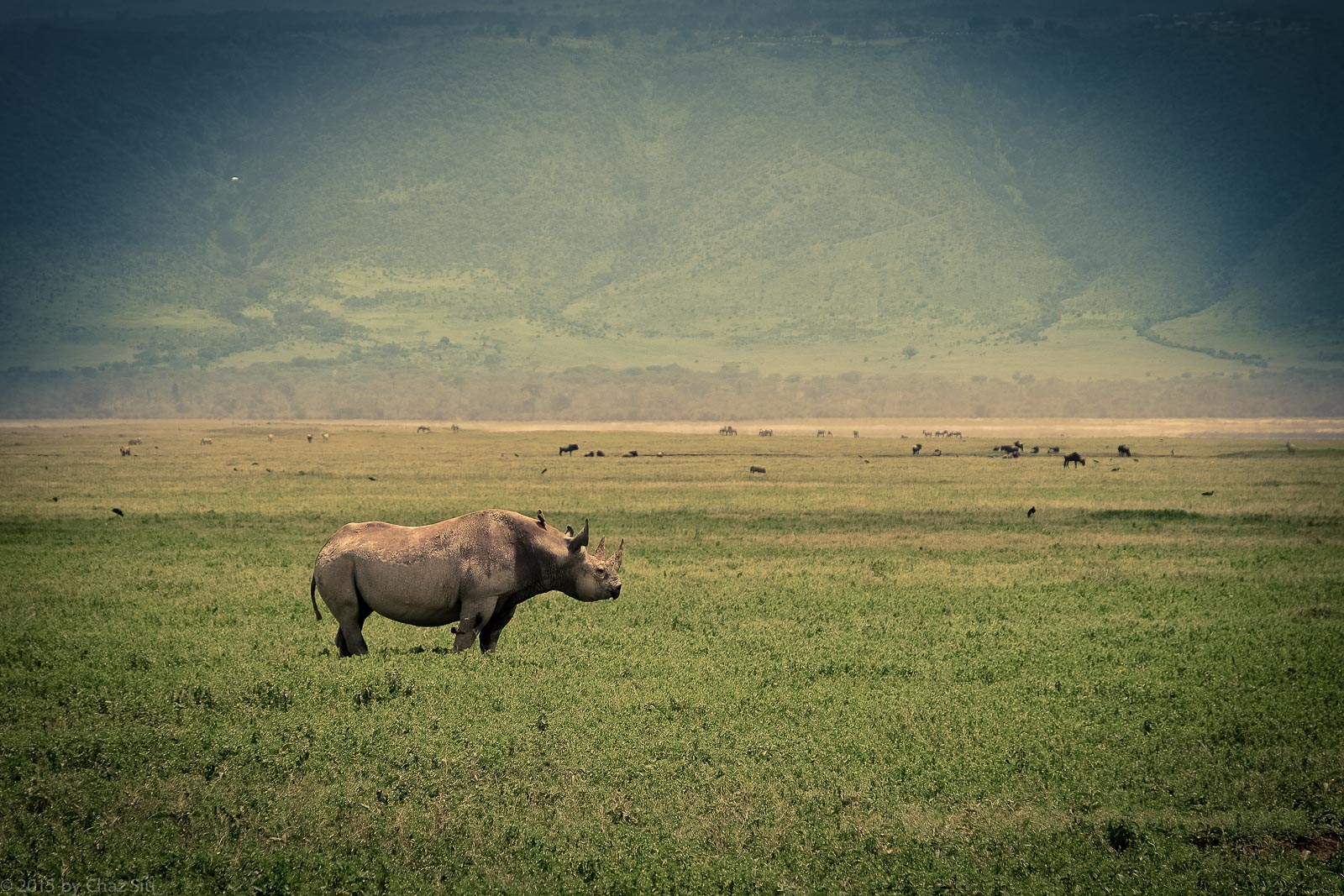
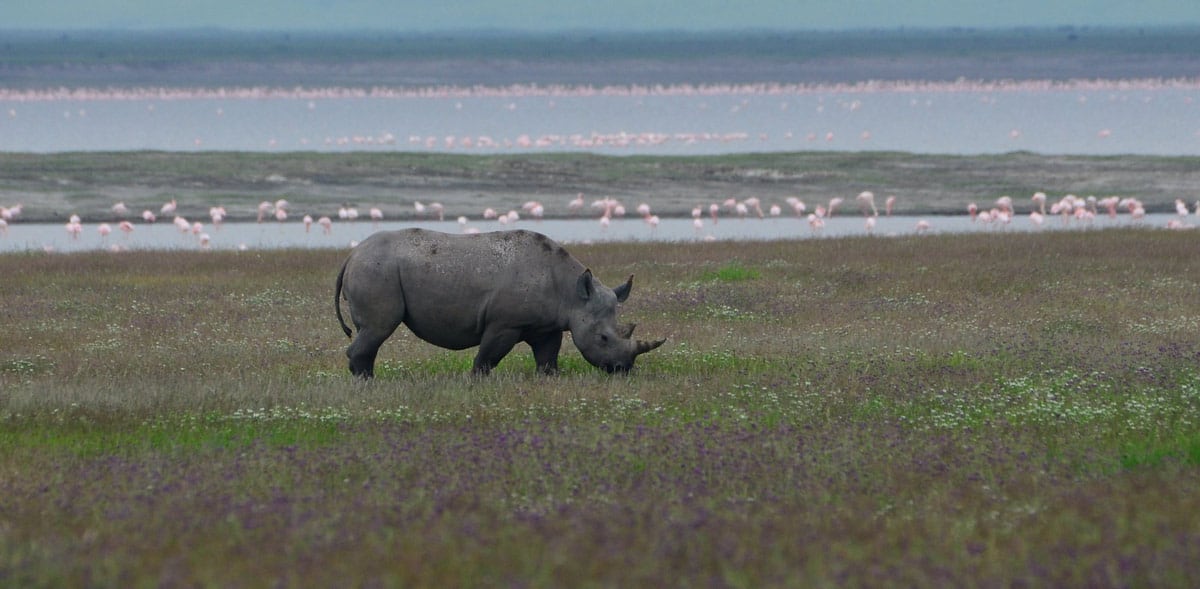
Often referred to as Africa’s “Garden of Eden,” the Ngorongoro Crater is home to an astonishing variety of wildlife. Within its compact 20-kilometer-wide expanse, you can spot the Big Five-lion, elephant, buffalo, leopard, and rhinoceros-in a single day. The crater’s dense animal population, including zebras, wildebeests, hyenas, and flamingos, thrives in this natural enclosure, making it a prime destination for safari enthusiasts. The endangered black rhino, in particular, is a highlight, as the crater is one of the few places where these majestic creatures can still be seen in the wild.
3. Year-Round Game Viewing
Unlike other safari destinations where animal sightings can be seasonal, the Ngorongoro Crater offers exceptional wildlife viewing year-round. Its enclosed environment ensures animals remain within the crater, providing consistent opportunities to witness predators and prey in action. Whether you visit during the dry season (June to October) for clearer views or the wet season (November to May) for lush landscapes and migratory birds, the crater delivers unforgettable encounters.

4. Cultural and Historical Significance
The Ngorongoro Conservation Area is not only a haven for wildlife but also a region rich in cultural heritage. The area is home to the Maasai people, who have coexisted with the land and its animals for centuries. Visitors can engage with Maasai communities, learning about their traditions, pastoral lifestyle, and deep connection to the land. Additionally, the nearby Olduvai Gorge, known as the “Cradle of Mankind,” offers a glimpse into human history with archaeological discoveries dating back millions of years.

5. Accessibility and Convenience
Located in northern Tanzania, the Ngorongoro Crater is easily accessible from Arusha, the gateway to Tanzania’s safari circuit. It’s a perfect stop for those combining visits to other iconic destinations like the Serengeti National Park or Tarangire National Park. The crater’s compact size means you can explore its highlights in a single day, making it ideal for travelers with limited time. Guided tours and well-maintained lodges ensure a comfortable and immersive experience.
6. Breathtaking Scenic Beauty
The Ngorongoro Crater’s beauty is unmatched, with its dramatic escarpments, shimmering Lake Magadi, and vibrant savannahs. The descent into the crater feels like entering another world, with mist-covered rims and sweeping vistas that captivate the senses. Photographers and nature lovers will find endless inspiration, from sunrise over the crater to the golden hues of the grasslands at dusk.

7. Conservation and Sustainability
Visiting the Ngorongoro Crater supports vital conservation efforts. The Ngorongoro Conservation Area Authority works to protect the region’s biodiversity and balance tourism with environmental preservation. By choosing eco-friendly tours and lodges, travelers contribute to the sustainability of this fragile ecosystem, ensuring future generations can experience its wonders.
Tips for Visiting the Ngorongoro Crater
-
Best Time to Visit: Both dry and wet seasons offer unique experiences, but book early for peak seasons (July to September).
-
What to Bring: Binoculars, a camera, sunscreen, and layered clothing for varying temperatures.
-
Combine with Other Parks: Pair your crater visit with the Serengeti or Lake Manyara for a comprehensive Tanzanian safari.
Conclusion
The Ngorongoro Crater is more than just a safari destination. It’s a journey into one of the planet’s most extraordinary natural and cultural landscapes. Its unique combination of geological splendor, abundant wildlife, and rich heritage makes it an unmissable stop for anyone exploring Tanzania. Whether you’re a first-time safari-goer or a seasoned traveler. The Ngorongoro Crater promises an experience that will leave you in awe. Plan your visit today and discover why this iconic destination continues to captivate the world.